Life got a bit lifey and delayed the second installment of musing about the future of the sport of endurance. We left off talking about the culture of endurance, and it affects the growth (or decline) of the sport. One of the thornier issues I didn’t touch on is the heated debate over what constitutes “real endurance”. There’s a camp of folks that firmly believes that calling anything under a 50 mile ride endurance is doing a disservice to the true ethos of the sport. Some say only 100 mile rides are true endurance, and anything less is “just” training towards that ultimate goal.

This debate comes up like clockwork, to the detriment of our sport I think. Folks should be welcome to share the trails and this horsemanship journey called endurance with us, no matter if their goal is to rack up 100 milers or if completing one LD takes all their effort and time. Crunching current numbers shows that most folks (especially those that “pay a ride managers bills”) are actually “Limited Distance Riders”, between 25 and 35 miles. I myself view 50s as a comfortable middle: I get more bang for my buck than an LD, both in terms of time on the trail and a challenge completed, but I don’t have to stay awake and functional for a full 24 hours to complete 100 miles. Honestly, I also don’t have to push my mare and myself hard enough during training to be 100 miler fit and ready. The leap from comfortably turtling 50s, as my mare and I do, to completing a 100 miler is just as exponential as getting her to the starting line of our first LD was.
This also feeds into a solid point many commentors made on the original thread; the new and young endurance rider pipeline into endurance is…anemic at best. There are a few solid programs around (Crater View Equestrian, which just managed the incredible feat of sending 5! young riders to the FEI championship in Romania is the main one that I know) but there’s really no established way to draw folks into endurance as a whole. In the PNW region where I live, there is a fund set up to help pay for young riders ride entries, which helps quite a bit but the legwork that goes into bringing a young or new rider along is still lacking. I myself have a teenage son who likes riding, but the finances of having a second horse for him isn’t currently mathing. I’ve been partially successful in keeping him mounted through chore shares, lessons and the good graces of friends, but it’s not consistent enough to get him or a matching horse ready for an LD. If either of us was interested in any other discipline, such as jumping or any number of Western events, there’s any number of local barns around that we could fit into or he could do OHSET (Oregon High School Equestrian Team, which has several English and Western events offered.) Whether due to the various factors of liability, time involved, lack of being a spectator sport, there’s no endurance barn equivalent.
This holds mostly true for adults looking to switch sports as well, though it’s a bit easier to get into the sport as an adult with your own money and time. I always see calls for volunteers from ride managers, and it’s a fantastic way to learn the sport and have time at ride camp to wander around, check out the rigs and gear and watch the vets work…but even showing up to volunteer can be a jump for a lot of folks. Creating more learning materials are great, but folks still need to know where to access them and just see them in the first place. Marketing efforts are well beyond my knowledge or scope, but if it hadn’t been for a random Craigslist post I might not have learned about endurance when I did.
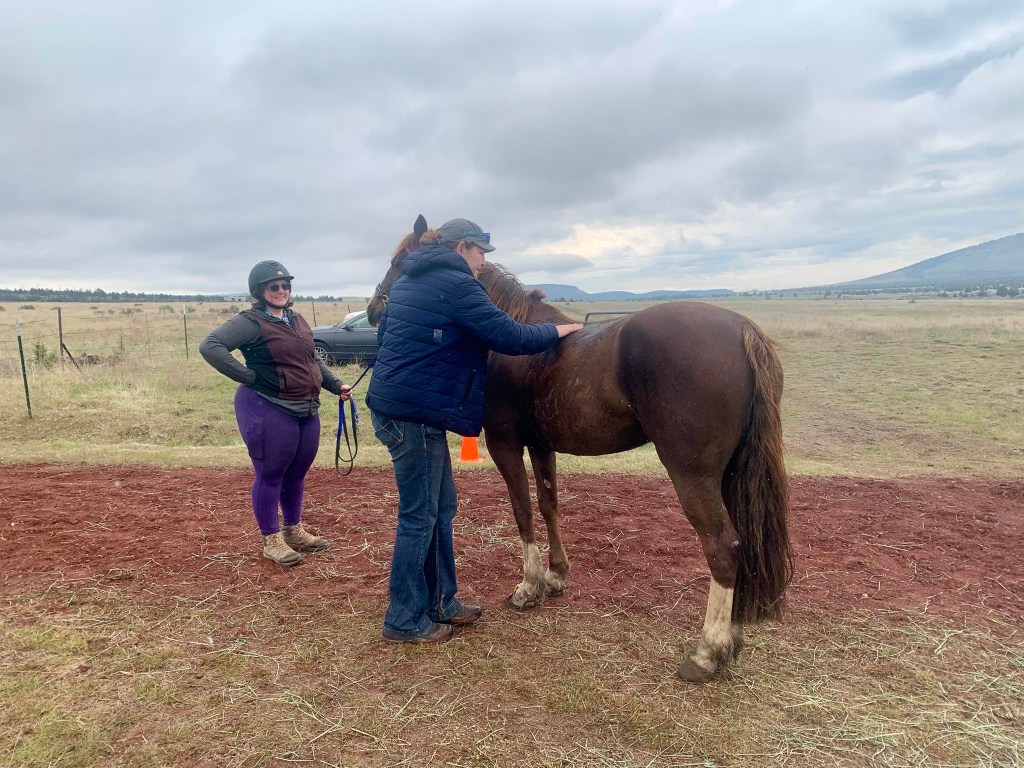
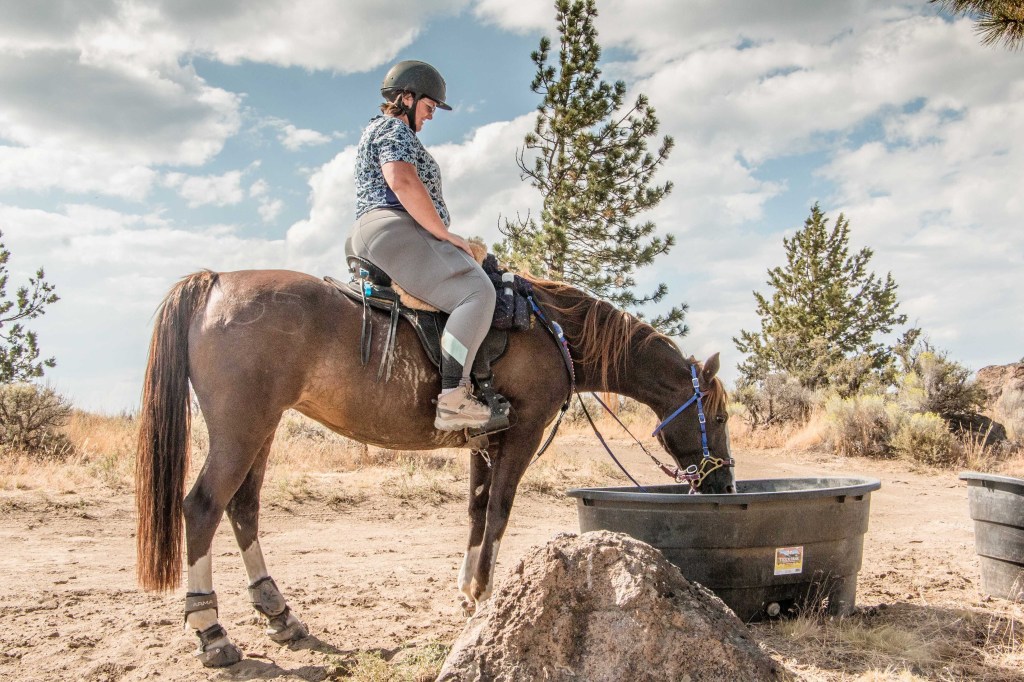
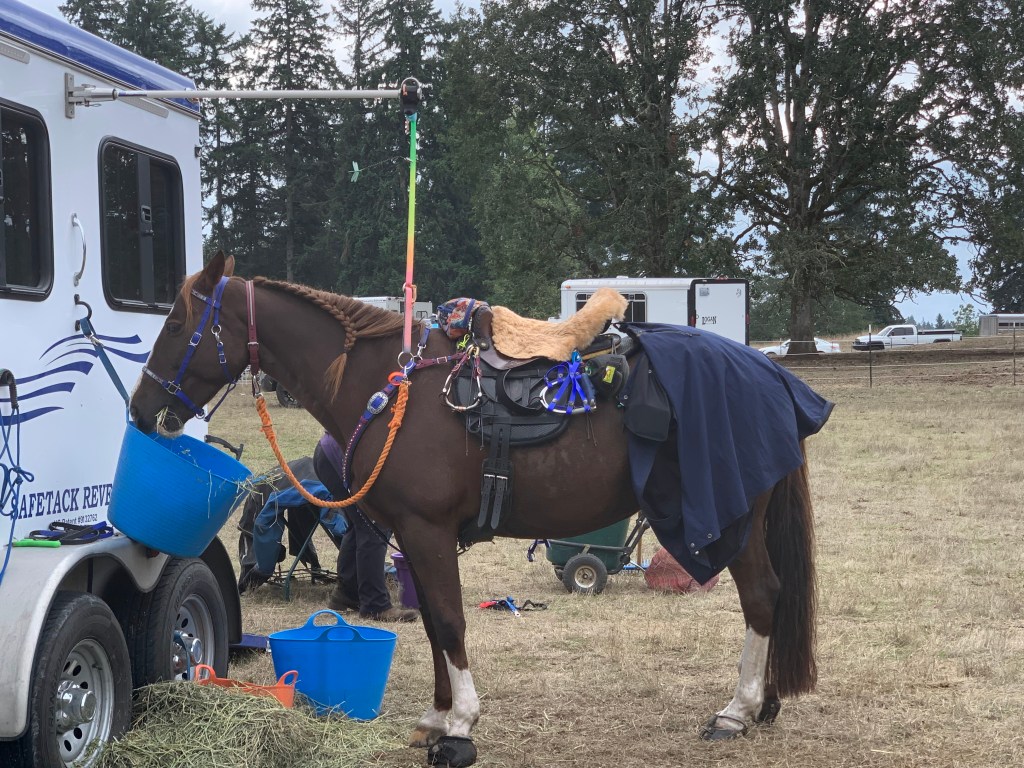
One angle I think could be a bigger sell is the horsemanship and social license to operate (SLO) aspect of endurance. While other horse sport organizations are debating how much blood should be allowed on a horse in competition, byzantine tack rules, or having no rules at all that protect horses, endurance has always stood out to me for putting the horse and the partnership first, not the winning. The competitive aspect still exists and can be encouraged not to the detriment of the horse, and we should all cheer on those riders just as much as those managing one LD a year. While every organization needs to remain flexible and growth focused, AERC has always leaned more on the side of keeping horses sound and performing without enhancements (drugs). Every vet check is a conversation between a trained professional and the person who’s (mostly) spent hundreds of training hours with this horse. Endurance has minimal tack rules to navigate, and the emphasis is always on what keeps the horse comfortable and safe for the long haul. No other horse sport encourages and requires you to spend hundreds of hours and miles with your horse, time to understand deeply what each horse needs to succeed and enjoy our sport.
That one statement is key: Horses enjoy endurance! They have to, nothing else can motivate a horse to trot down a trail for miles and miles other than the joy of the work itself and their partnership with the human. Horses are deeply accepting and patient creatures, and it is possible to force them into situations and exploits that aren’t right for them. I do believe endurance isn’t one of them. If a horse doesn’t want to thrive in this sport, it shows pretty quickly and both through vet checks, the rules and social pressure around ride camp, horses that aren’t happy in endurance quickly move on. I have a dear friend who used to regularly ride 50 milers, who dropped to LDs because her sweet gelding made it clear he didn’t want to travel fast enough to complete 50 miles in time, and he’d rather return to camp in a reasonable time frame in order to keep stuffing his face with food. I’ve never pointed Tarma down a trail she refused or balked at, and she’s absolutely in her element flying along single tracks or powering down a gravel road, ears forward and eagle eyes gleaming. This holds true for the vast majority of endurance horses.
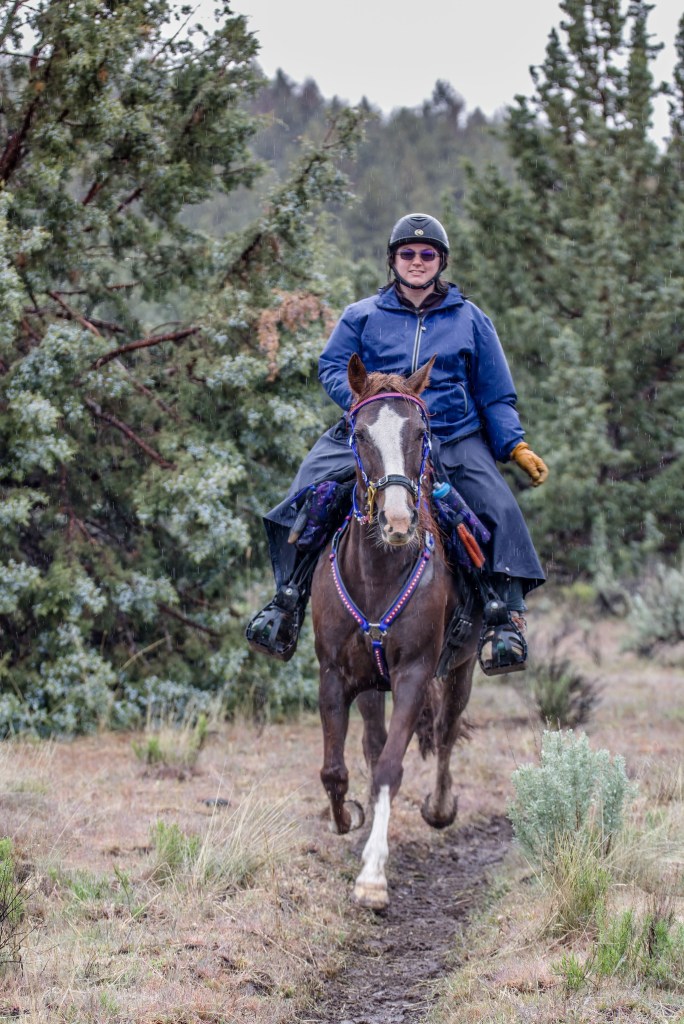
As to where do we go from here, we all have a part to play in keeping our sport going. I’m a writer, so I volunteer for my local endurance organization preparing and editing the newsletter and annual handbook. I’m working on a series of posts aimed at Endurance Rookies, following in the footsteps of another friend Aarene Storms and author of “Endurance 101” (a must read for anyone interested in endurance, and a title I keep referring back to myself). I’ve been around endurance long enough to offer mentorship, though I myself still have plenty to learn and always will. I’ll keep volunteering as general oddbody at rides, scribing for vets, taking pulses, fetching and carrying and supporting riders and ride managers however I can. I’m looking at various committees and leadership positions I might be a good fit for, and arranging time to volunteer at that level as well. I love all the aspects of endurance, and I hope to be involved for years to come, both on trails and off it.
 On the loose
Thanks for the shout-out! I know people are still reading Endurance 101, because I got a check a while back (hmmm, maybe I need to look at the account to see if there’s more in there?) but it’s also good to hear from readers. So here’s my shout-back: anybody with a question about the book or anything else, feel free to tag me, and I’ll do my best to help out.
I am not competing now for the same reason you talked about in this post: my mare doesn’t want to do it anymore. She had tons of fun with it as a younger horse, but as miles and micro-injuries added up, she wanted an easier job. She *absolutely* would have sucked up and done the job if I asked, but part of our agreement (which I think should be between all riders and horses) is that if she’s not having fun, we do something else. Endurance is HARD. Horses need to look forward to it as much as riders.
LikeLiked by 1 person